
KfW Digitalization Funding for Mid-Market Companies
By Matthias Mut in Digital Transformation — June 25, 2026

CEO & Datenstrategie - Matthias Mut
KfW-Förderung
Finanzierung
Digitalisierung
Mittelstand
Introduction
We experience daily how rapidly the demands on IT systems in mid-sized companies are growing. In many cases, comprehensive modernization is necessary to remain competitive and to design business processes more efficiently. This is exactly where KfW digitalization funding comes in. It offers companies cost-effective financing routes for investments in new hardware, software, and associated transformation projects. This is no longer just about acquiring contemporary technologies but also about the opportunity to phase out legacy systems, better meet compliance requirements, and lay the foundation for long-term growth.
Our experience shows that companies with modern IT infrastructure act more flexibly, implement innovations faster, and gain advantages in competition. Even so, we keep seeing decision-makers who delay the leap to digitalization because they fear the costs or view their legacy IT as an insurmountable hurdle. This is precisely where we want to step in and show how KfW digitalization funding can be specifically used to finance the urgently needed IT modernization without breaking the budget.
At the same time, we are aware that digitalization projects require more than pure technology investments. Cultural change, process adjustments, and sustainable change management are equally decisive. For all these facets to come together, companies need not only a clear concept but also suitable financial means. The KfW funding programs offer a tailored solution for this (KfW).
Understanding KfW Funding
KfW digitalization funding is part of the ERP funding-loan program and is aimed at mid-sized companies, freelancers, and non-profit organizations with turnover of up to 500 million euros. Since 2024, the conditions have become even more flexible, so that ongoing operating costs — for example monthly SaaS fees — can also be eligible for funding (BrotCode). Especially for companies that use cloud services or specialized software solutions, this is a decisive advantage, since not only hardware investments but also recurring costs can be covered.
The credit limit reaches up to 25 million euros, depending on company size and project. A particularity is the three levels at which KfW digitalization funding is offered. Under the Basic Digitalization category (Level 1), companies can receive loans of up to 7.5 million euros, but without a direct grant. In the further levels (2 and 3), subsidies of 3 to 5 percent of the loan volume are possible, so that up to 200,000 euros do not have to be repaid (KfW). This staggering makes it possible to realize projects of various sizes, from the purchase of new laptops to the comprehensive implementation of an AI-supported production control system.
The application itself is not made directly to KfW but through your house bank. Companies must complete a so-called Digitalization Check, which provides information about their current digital maturity. Based on the results, project goals can be specified and the appropriate level chosen. The bank then decides on lending based on the project outline, the de-minimis declaration, and the company's creditworthiness (BrotCode).
Financing Possibilities
KfW funding programs offer more than pure hardware financing. New ERP systems or security software can certainly be acquired, but the program also opens up to more intensive digitalization measures. These include automated processes, AI-controlled applications, IT security solutions, and even the implementation of digital business models. The focus is always on increasing efficiency and making the company future-fit.
-
Loans with grant For larger projects, funding can be granted in the form of a loan with non-repayable grants. This is particularly interesting in funding levels 2 and 3, when digitalization makes up a relevant share of annual turnover or particularly innovative technologies are deployed (KfW).
-
Basic funding without grant For smaller digitalization projects — such as upgrading everyday office applications or modernizing individual IT components — Level 1 is available. Even without a direct grant, very favorable loan conditions can be achieved, which facilitates the implementation of manageable projects.
-
Financing of ongoing costs A decisive advantage is the possibility of financing not only investment costs. Recurring fees such as SaaS subscriptions and cloud services can also be integrated into the funding, provided they are part of the digitalization project (BrotCode). For companies wanting to outsource their IT extensively or switch to subscription models, this is considerable relief.
Especially for larger digitalization initiatives, it is worth combining funding sources. Whether other state aid, federal-state programs, or industry-focused subsidies — many building blocks can be supplemented, provided the requirements are each met. Each of these steps should be carefully planned to avoid overlap or double counting.
Phasing Out Legacy Systems Economically
Companies often face the question of how to replace outdated legacy systems with modern, scalable IT solutions without endangering ongoing operations. Legacy systems are not only expensive to maintain and support but can also bring compliance risks. Especially in connection with data protection regulations, considerable liability questions arise when a system is technically outdated. You can find more on this under GDPR and legacy systems.
From our perspective, an orderly phase-out process is essential. The decisive factor is to develop a clear roadmap that maps out the migration of data and processes to new systems step by step. In many cases, a parallel test phase is sensible in which the new system initially runs in partial operation. The shutdown of the legacy environment can then take place once all processes function safely on the new platform.
Particular attention should be paid to the integration of peripheral and interface systems. Warehouse management, accounting, and various specialized applications often still run autonomously, which leads to media breaks. A comprehensive modernization should therefore design interfaces cleverly — best directly in connection with the acquisition of a new ERP system or a cloud-based platform. Anyone planning to phase out outdated SAP ECC before 2027 should also coordinate the migration strategy in time (see SAP ECC replacement 2027).
Especially when legacy systems are replaced for compliance reasons or the focus is on efficiency, KfW digitalization funding can be an important building block of financing. The loan conditions are favorable, and possible grants reduce the financial burden. This accelerates the decision to retire outdated systems and creates resources for the new.
Economic Benefit and ROI
In many mid-sized companies, the perception still prevails that IT modernization is primarily a cost factor. In our projects, however, we repeatedly find that investments in modern technologies can pay off very quickly. The reasons lie in reduced maintenance costs, more efficient processes, and the opportunity to open up new business models. A central concern in planning is the question of return on investment.
In our view, the ROI can be measured by various parameters. On the one hand, direct savings play a role, such as lower license or operating costs. On the other hand, modernization increases agility. It facilitates the introduction of new services, leading to revenue growth. A pure offsetting of hardware vs. legacy system costs therefore falls short. It is more sensible to look at the overall picture: production cycles shorten, error rates fall, customer expectations are better met.
To capture economic benefit holistically, we advise determining metrics that go beyond pure costs already before project implementation. Examples could be:
- Shortening of time-to-market for new products
- Relief for staff through automation
- Better customer satisfaction through faster response times
- Reduced downtime due to higher system stability
Where necessary, we also draw on external comparisons or run pilot projects to test feasibility. Results should be transparently communicated and documented so that all stakeholders can follow progress. A cost view that includes future potential ultimately translates clearly into ROI. You will find further inspiration on the economic evaluation of IT in our article on IT modernization ROI.
Practical Preparation for the Application
Before starting a digitalization project, we recommend formulating defined goals and building a clear project structure. While KfW digitalization funding does not require a highly complex business plan, a project outline with concrete milestones and budget plans is helpful for the bank. The process can thus be considerably accelerated.
Project Goals and Digitalization Check
The Digitalization Check is an online self-assessment offered by KfW. Companies thereby receive an estimate of the level at which their digital maturity currently stands and where concrete fields of action lie (KfW). We recommend involving all relevant departments, from IT to sales, in this process. This creates cross-departmental understanding for the upcoming changes.
Determining the Funding Scope
The check is usually followed by a cost estimate. Hardware, implementation effort, consulting services, and any training are taken into account. If subscription models for software or cloud services are planned, the monthly rates for the term should also be included (BrotCode). For very extensive digitalization plans, it is advisable to compare the possible funding levels. Often, Level 2 with a 3 percent grant is sensible when the project volume reaches a certain magnitude and additional innovation potential is unlocked.
Involving the House Bank
The actual application runs through the house bank. From our practice, we know that good preparation here saves time and nerves. We advise presenting a detailed project plan and possibly initial offers. A de-minimis declaration is also needed, confirming that previous subsidies do not exceed certain limits. Usually, the bank first reviews all documents and forwards the application to KfW. With a positive evaluation, the loan is granted, and the project can begin. The processing time is given as four to eight weeks (BrotCode).
Project Controlling and Implementation
Funding should always go hand in hand with solid project controlling so that success is measurable afterward. We recommend creating regular status updates during the project and checking whether the budget remains on track. Corrections can thus be made early. Since KfW facilities also include ongoing costs, many companies must establish additional monitoring for recurring payments and maintenance contracts during rollout.
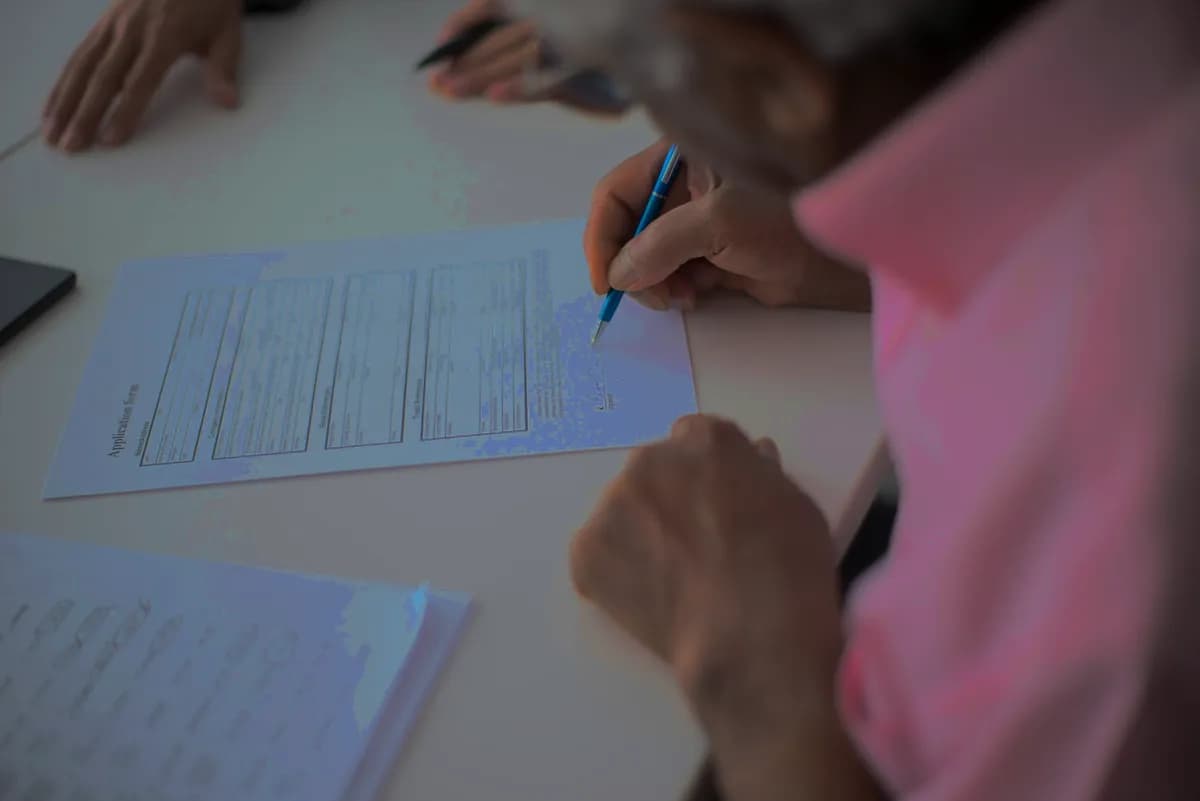
Blockquote for Illustration
Many mid-sized firms initially think only of classic loans when they hear "KfW funding." In fact, however, KfW has launched very comprehensive programs for digitalization that can cover not only hardware but also software and ongoing operating costs. This significantly lowers the investment barrier for us and accelerates the decision for a modernization step.
Advantages for Mid-Sized Companies
When we speak with managing directors and project leader teams, we often hear concerns about risks and additional effort in digitalization projects. Mid-sized businesses in particular are under pressure to use their financial and personnel resources carefully. KfW digitalization funding significantly facilitates this step.
On the one hand, state-supported financing reduces the interest burden. On the other hand, flexibility and equity ratio are preserved, which is important for future room for maneuver. From our own consulting experience, a subsidized loan enables many companies to implement projects that they would otherwise have postponed for years. The necessary leap to cloud solutions, automation, or data analytics tools thus becomes possible.
A further advantage lies in the easy scalability of IT operations. Anyone replacing old systems with modern platforms can quickly scale up with growing demand without causing high hardware costs. This strengthens agility and can simultaneously foster the entire innovation climate in the company. In terms of compliance and security, current software solutions help reduce downtime and better protect data (KfW).
Exemplary Process: From Idea to Funding Loan
To make the process even more transparent, we have outlined a compact procedure for how a mid-sized company could proceed when applying for KfW digitalization funding:
- Idea and needs assessment The company identifies that outdated systems are hindering operations.
- Digitalization Check The current maturity level is captured using the KfW tool.
- Project planning Goals, milestones, and budgets are defined, e.g. for an AI-supported system.
- Conversation with the house bank Joint review of documents and determination of the funding level.
- Application submission Submission of formalities and project documents to the house bank.
- Review and approval After 4 to 8 weeks, feedback and loan agreement upon positive decision.
- Implementation and controlling Rollout of the digitalization project, regular success monitoring.
This overview naturally lacks many details, but it illustrates what a typical process can look like. In practice, we usually translate these steps into a holistic project plan that defines roles and responsibilities and clearly names the risks.
A Look at Legacy Systems in the Mid-Market
Especially in the mid-market, legacy IT solutions still run in many areas. This affects, for example, older ERP versions, isolated CRM systems, or self-developed databases. Often, these solutions have served their purpose in the past, but in today's world they hinder progress and agility. The necessary adaptations to new tools, security standards, or regulatory requirements are laborious and often costly.
A targeted modernization can relieve departments and simplify processes. Operational data can, for example, be evaluated in real time, leading to faster decisions. Aspects such as GDPR compliance also become easier to manage when the new IT landscape brings integrated security and data protection functions. You can read more about this in our article on modernizing legacy systems in mid-market companies.
Minimizing Risks and Stumbling Blocks
Even with KfW funding, every IT modernization remains a demanding task. Among the most common hurdles are inadequate change management, lack of acceptance among employees, or false expectations regarding implementation speed. We therefore recommend:
- Early involvement of all stakeholders to build common understanding
- Thorough training of employees so that capabilities and motivation for handling new technologies are present
- Clear communication structures that make obstacles and successes regularly transparent
- Thorough examination of whether interfaces can be cleanly integrated to exclude data silos
It is also advisable to plan a pilot or test phase. Anyone who comprehensively tests new software solutions before they take over business-critical areas avoids costly bad decisions. In our view, piloting is a valuable method for quickly identifying project-specific risks.
More Funding for Innovative Projects
KfW digitalization funding aims not only at standard software but also enables the implementation of innovative future technologies. For particularly advanced measures, such as AI-supported automation in manufacturing, the higher levels (LevelUp or HighEnd Digitalization) can be used with attractive grants (KfW). It is to be checked here, however, whether the project volume is sufficiently large and whether the degree of innovation meets the requirements.
Especially in industrial production, we see potential: IoT sensors for fault detection, AI systems in quality management, or automated warehouse systems ensure less downtime. A good example is the digitalization of warehouse and shipping processes, as implemented at the sporting goods retailer Bergzeit, which was able to set up an automated warehouse thanks to a KfW loan (KfW).
For innovative, large-scale projects, there is also the possibility of receiving grants of up to 200,000 euros if companies meet the criteria (KfW). This can be a decisive factor for unlocking forward-looking technologies that would be hard to finance without funding.
Relevance in Industries Such as Healthcare and Services
Not only manufacturing or trade businesses benefit. KfW funding also opens up diverse opportunities in industries such as healthcare, in physician practices, or for service providers. The switch to digital patient records, intelligent scheduling platforms, or AI-based billing systems can mean significant efficiency and quality improvements. Complementary examples are AI-controlled assistants that support communication or data evaluation (CGM).
It is important here that digitalization is understood not just as a technical upgrade but as a strategic overall project. Practices, law firms, and other service providers can thus position themselves in a future-proof way and serve their clientele better, while at the same time using the opportunity to receive funded means for expanding their digital infrastructure.
Sustainable Advantage Through Modernization
We are firmly convinced that it is not just about replacing outdated solutions. Rather, a sustainable advantage arises from the fact that a company can build on a flexible, scalable IT infrastructure. New markets can thus be opened up, digital services introduced, and capacity adjusted with growing demand.
In this context, cloud and hybrid models play an ever more important role. They allow resources to be quickly scaled up or down depending on what the business situation requires. Anyone modernizing their IT today simultaneously improves the starting position for future innovations. Ideally, a company thus becomes more responsive and can pick up market trends earlier.
Connections with Compliance and GDPR
In every IT modernization, topics such as data security and compliance are unavoidable. KfW digitalization funding supports not only the acquisition of new technologies but also accompanying measures around IT security or data protection (KfW). Especially in heavily regulated industries, this is a plus, since investments in encryption solutions, access and identity management, or security concepts can be eligible for funding.
We have noticed that the merging of modernization and compliance has a positive effect on overall costs. On the one hand, liability risks fall and data protection requirements can be better met; on the other hand, a reliable security architecture increases the trust of business partners and customers. In the long term, such investments also have a positive effect on the company's image.
Conclusion
We see KfW digitalization funding as an extremely valuable lever for advancing IT modernization and finally replacing legacy systems. For decision-makers and budget officers in mid-sized companies, this offers the opportunity to set the course for a successful future with comparatively low financing costs and attractive grants. The scope ranges from simple hardware upgrades to highly innovative AI solutions that can shape entire business models.
A particular advantage is the holistic approach: in addition to hardware and implementation costs — depending on the chosen funding level — operational expenses such as SaaS subscriptions are also covered. KfW digitalization funding thus helps not only to shoulder one-off investments but also to noticeably reduce the financial burden of ongoing modernization processes.
Decisive is thorough preparation: defining project goals, completing the Digitalization Check, choosing the right funding level, and involving the house bank. With a clear strategy and solid project planning, typical stumbling blocks can be avoided, whether in change management or in interface integration. And even if a company is set up rather conventionally, it is worth carefully examining the advantages of a digitized and scalable IT landscape. In an increasingly dynamic market environment, digitalization is long since more than a trend; it is a decisive factor for growth, competitiveness, and future security.
Let's talk
Stay in touch with us
Whether you have a specific project or just want to explore options — we look forward to hearing from you.